July 16, 2026
What Makes a High-Converting Landing Page?
Check out these high-converting landing pages built using Unbounce, plus conversion hints from the marketers who created them.
Published On: July 17, 2026
Published By: Designocracy
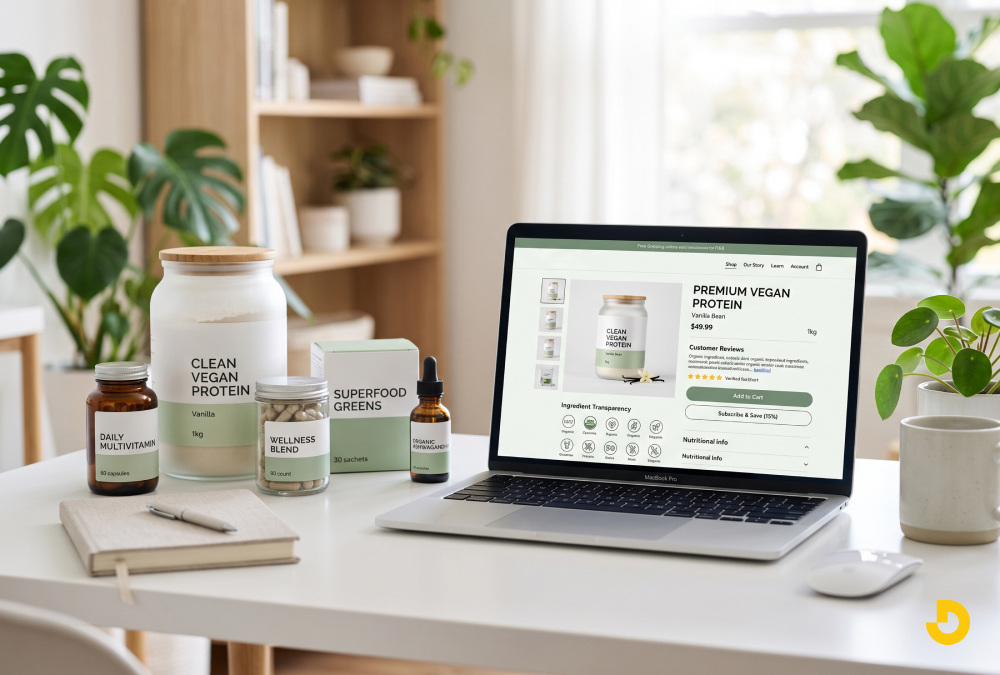
E-commerce website design for supplement and nutrition brands is the process of building an online store that earns trust, communicates ingredient transparency, and converts visitors into repeat customers. The most effective supplement websites combine mobile-first design, clear product pages with full ingredient panels and lab results, verified customer reviews, subscription options, fast page speed, and compliant health claims. Done right, this design approach lifts conversion rates, grows subscriptions, and builds the long-term brand loyalty the supplement market depends on.
Selling supplements online is unlike selling almost anything else. Your customer is putting your product into their body, so the bar for trust is high. They want to know what is in the bottle, where it came from, whether it has been tested, and whether real people saw real results. If your website does not answer those questions in seconds, they will find a competitor who does.
The supplement and nutrition market is also crowded and heavily regulated. Standing out means more than a nice logo. It means an e-commerce website design built specifically for how supplement buyers research, compare, and decide. This guide covers exactly what that looks like, from product page structure to subscription models to the compliance details most brands get wrong.
A generic online store template treats a protein powder like a pair of shoes. But supplement shoppers behave differently. They read labels. They compare dosages. They look for third-party testing. They check whether the brand seems credible before they ever look at the price.

Three pressures shape every supplement website:
Trust is the conversion barrier. Health products carry perceived risk. Anything that looks unprofessional, vague, or exaggerated pushes buyers away. Your design has to signal safety and legitimacy at a glance.
Regulation limits what you can say. In many markets, supplements cannot be marketed as treating or curing conditions. Your copy, product pages, and claims need to stay within those rules while still selling effectively.
Repeat purchase is the business model. Most supplement brands do not profit on the first order. They profit when a customer subscribes and reorders for months. Your website must be designed to earn that second purchase, not just the first.
An e-commerce website design agency that understands this builds around those realities rather than retrofitting a generic store.
Below are the features that most directly influence whether a supplement shopper buys, subscribes, and returns. The table summarises them, and the sections that follow explain each one.
Supplement website features and their impact on conversions
| Feature | What It Includes | Why It Converts |
|---|---|---|
| Transparent product pages | Full ingredient panel, dosage, sourcing, allergens | Answers the buyer's first question and removes doubt before checkout |
| Third-party lab results | Certificates of analysis, testing badges, batch info | Proves purity and potency, the top trust signal in supplements |
| Verified customer reviews | Star ratings, photos, results-based testimonials | Social proof from real users outweighs any brand claim |
| Subscribe & save option | Recurring delivery, flexible pause and cancel | Turns one-time buyers into predictable monthly revenue |
| Mobile-first design | Thumb-friendly buttons, readable labels, fast checkout | Most supplement traffic arrives on mobile and abandons if friction appears |
| Fast page speed | Optimised images, clean code, strong hosting | Slow stores lose sales before loading and rank lower on Google |
| Education content | Ingredient guides, usage instructions, FAQs | Builds authority, wins organic search traffic, reduces refunds |
| Compliant claims | Careful wording, required disclaimers | Protects the brand legally while keeping copy persuasive |
| Bundles & stacks | Curated product sets at a bundle price | Raises average order value and simplifies buyer decisions |
| Trust badges & secure checkout | SSL, payment icons, guarantee, clear returns | Reassures buyers at the exact moment doubt is highest |
The ten design elements that most influence supplement and nutrition store performance.
The supplement product page is where the sale is won or lost. Shoppers arrive with specific questions: What is the actual dosage? Are there fillers? Is it third-party tested? Does it contain allergens?
A strong product page answers all of it above the fold or within a tap. Include the complete supplement facts panel as readable text, not just an image, so search engines can read it too. Explain sourcing in plain language. Show serving size, servings per container, and how to take it. Every question you answer is an objection removed.
Nothing builds credibility faster than independent proof. Displaying certificates of analysis, batch testing information, or verification badges tells a cautious buyer that you have nothing to hide.
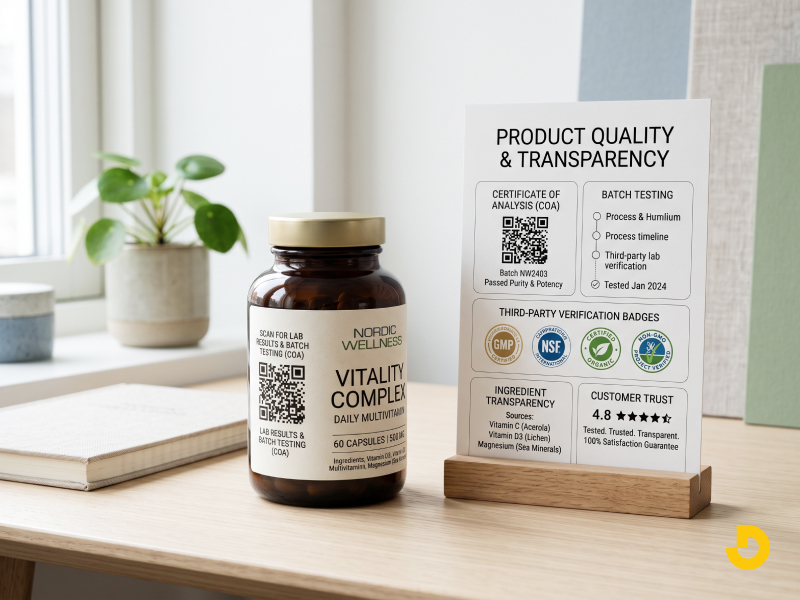
Design matters here. Do not bury lab results in a footer PDF. Surface them near the buy button, where hesitation lives.
Supplement buyers trust other buyers more than any headline you write. Verified reviews, star ratings, and customer photos give new visitors permission to buy.
Place review snippets on product pages, near pricing, and on the cart page. Filtering by goal, such as energy, recovery, or sleep, helps shoppers find people like them.
Supplements are consumable. A customer who buys once will need more in thirty days, and the brand that makes reordering effortless wins that revenue.
Offer a clear subscribe option with a visible discount, flexible delivery intervals, and painless pause or cancel controls. Hiding the cancel button damages trust and generates chargebacks. Make it easy and customers stay longer.
Most supplement traffic comes from phones, often through social media and influencer links. If your ingredient panel is unreadable on mobile or checkout takes six steps, you lose the sale.
Design for the thumb first: large buttons, readable type, sticky add-to-cart, and express payment options like Apple Pay and Shop Pay.
Every extra second of load time costs conversions and search rankings. Supplement stores are especially image-heavy, with product shots, lifestyle photos, and label close-ups.
Compress images, lazy-load below-the-fold content, and choose hosting built for e-commerce. Speed is not a technical footnote. It is revenue.
Supplement buyers search before they buy. Queries like "how much creatine per day" or "best time to take magnesium" drive enormous traffic.
Publishing accurate, well-structured ingredient guides, usage articles, and FAQs builds topical authority, wins organic traffic, and positions your brand as an expert. It also reduces refunds, because customers who understand a product use it correctly.
Compliance note: Supplement marketing is regulated. Avoid claims that your product diagnoses, treats, cures, or prevents disease, include any required disclaimers, and have a qualified professional review your health claims. Good design should make compliant copy persuasive, not push past the rules.
Curated bundles such as a "Sleep Stack" or "Performance Bundle" simplify choice and raise average order value. Present them as a solution to a goal rather than a discount, and show the saving clearly.
Cart abandonment peaks at checkout. Reduce it with visible SSL security, recognised payment icons, a money-back guarantee, transparent shipping costs, and a plain-English returns policy.
Surprise costs are the leading cause of abandoned carts. Show shipping early and honestly.
Most supplement brands build on Shopify, and for good reason. It handles subscriptions well through apps, scales with traffic spikes from influencer campaigns, and keeps checkout secure and fast. WooCommerce offers deeper customisation for brands already invested in WordPress, while larger catalogs sometimes justify a more complex platform.
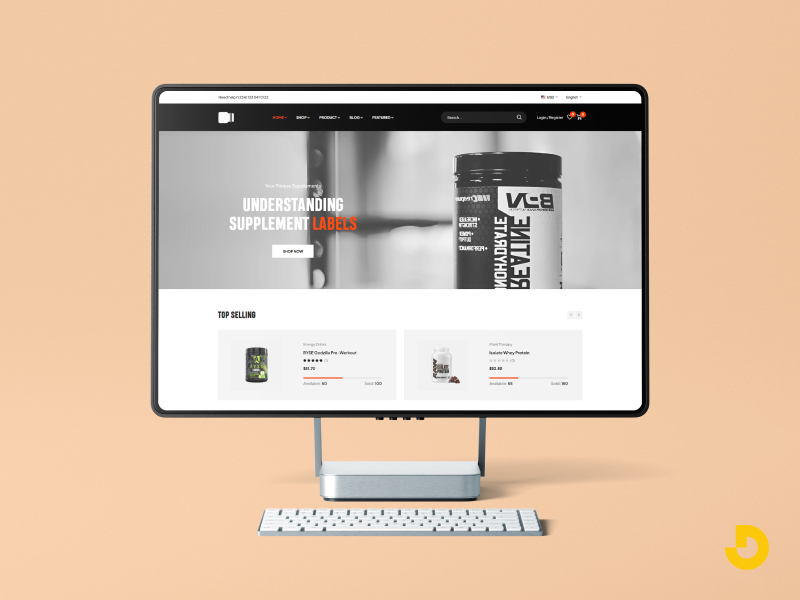
The right choice depends on your catalog size, subscription needs, and how much custom functionality you require. A good Shopify development partner will recommend the platform that fits your business, not the one that suits their workflow.
Design and search visibility are inseparable. A beautiful store nobody finds does not sell.
Focus on product page SEO with descriptive titles and readable ingredient text. Build category pages that target real search demand, such as "plant-based protein powder" rather than a vague label. Use structured data so product pages show ratings and prices directly in search results. Then support it all with ingredient-focused blog content that captures buyers early in their research.
Technical foundations matter just as much: fast load times, clean site architecture, mobile usability, and a logical internal linking structure connecting your guides to your products.
The supplement brands that win online are not always the ones with the best formula. They are the ones whose websites answer every question, prove every claim, and make reordering effortless. Design is what turns a good product into a trusted brand.
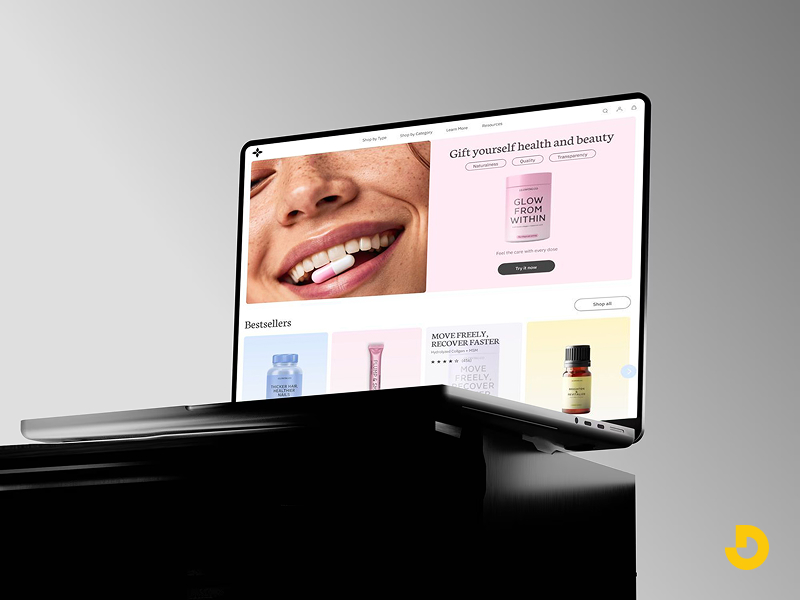
At Designocracy, we design and develop e-commerce stores for supplement and nutrition brands that are built to convert, from transparent product pages and subscription flows to Shopify development, conversion rate optimisation, and the SEO that brings buyers in. If your store is not turning visitors into subscribers, we can help you fix that.
Get a restaurant website built to fill tables, not just look good.
Book Your Free Consultation